• Shopping Cart Shopping Cart
    0Shopping Cart
ProFit Footwear - PPE Safety Shoes
  • HOME
  • SHOP
    • ALL PRODUCTS
    • BY INDUSTRY
      • PHARMACEUTICAL & COSMETICS
      • FACTORY
      • AGRICULTURE
      • ARTISAN
      • MINING
      • CONSTRUCTION
      • OIL & GAS
      • FOOD, BEVERAGE & EVENT ORGANISING
    • BY FEATURE
      • ANTI-SLIP & NON SLIP
      • ANTI-STATIC
      • STEEL TOE CAP
      • WATERPROOF
      • CHEMICAL & OIL RESISTANT
      • LEATHER
  • LOCATE A STOCKIST/RESELLER
  • FAQ’s
  • TEAM
    • ELLIOT WESSELS
    • NICK BRYANT
    • DIAN VAN WYK
    • CINDY BRITS
  • MORE
    • ABOUT
    • BLOG
    • VIEW CATALOGUE
    • BECOME A PARTNER
    • NRCS COMPLIANCE
    • PRODUCT WARRANTY
  • CONTACT US
  • Menu Menu

Heat Resistant Outersoles

/in Footwear Design/by Nick Bryant

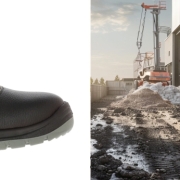
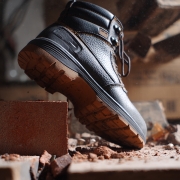
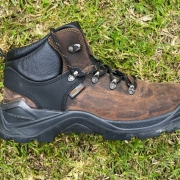
Most work environment applications are covered by the standard Polyurethane outsole. Lightweight, flexible, excellent slip resistance, heat resistance between 90’ and 110’ degrees, and durable. They are anti-static and also resistant to oil, petrol and diesel. Whether fruit picking, building on a construction site, working in an engineering environment or even on an oil rig – the tried and tested PU/PU sole has you covered. But what happens when the temperature gauge is turned up or petrol and diesel turns into acids or other chemicals? That’s when you switch to a more heavy duty sole compound in the form of rubber. Non-conductive to electricity, oil/acid/petrol and diesel resistant, 300’ degree heat resistant and very hard wearing. The sole compound plays a vital role in the longevity of your footwear.

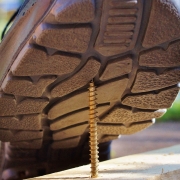
It stands to reason, as the sole is in constant contact with the surface on which you walk and work. If you climb on scaffolding all day, work on abrasive metal surfaces, on concrete or jagged stones – the rubber sole will last longer and provide a more stable surface. As is the nature of more heavy duty environments – the risks associated in those areas increase as well, and often one needs the added protection of anti-penetration midsoles (to protect you from sharp shards of metal, glass, or heat) or to protect the bones of one’s feet.

ProFit Safety Footwear has a range of six different rubber soled styles to protect men and women from all the added dangers of a heavy duty work environment.

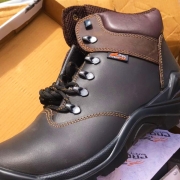
Hot surfaces, risky work surfaces, falling objects and chemical spills are a few of hazards which our Tarantula, Black Widow, Redback and Shamrock take in their stride. Coming with a variation of anti-perforation fabric midsoles, metatarsal guard and thick top grain leather uppers. And, offered in the full size range from UK 2 to UK 15, we cater for the needs of the entire workforce.

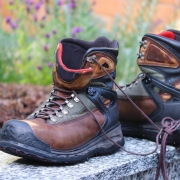
If you are upgrading your head, eye, ear, hands and workwear to deal with super heavy duty work environments, you should certainly do so with the most important part of your body walking around in that environment – your feet! Look for the HRO marking on the spec sheet/bottom of the sole or red colours on the sole indicating you are holding a boot designed with heat applications in mind. More expensive that Polyurethane, yes, but certainly purpose built and longer lasting. Suited for the right work environment and avoiding risk from Day 1.

For a chat about your work forces safety boot requirements please give us a call on +27 11 892 8030 / 8031 / 8032 or drop an email to organise a call info@profitfootwear.co.za
Tags: heat resistant soles, safety boots
Share this entry
  • Share on Facebook
  • Share on X
  • Share on WhatsApp
  • Share on Pinterest
  • Share on LinkedIn
  • Share on Tumblr
  • Share on Vk
  • Share on Reddit
  • Share by Mail
https://profitfootwear.com/wp-content/uploads/2022/12/sparks.jpg 1000 1500 Nick Bryant https://profitfootwear.com/wp-content/uploads/2021/09/ProFit-Logo-Dark-Backgrounds-300x126.png Nick Bryant2022-12-02 10:40:002022-12-05 12:25:13Heat Resistant Outersoles
You might also like
Putting on a pair of Safety Boots How to Correctly Put On and Wear a pair of Safety Boots
Safety Boots Why Quality Safety Boots Matter for Tradespeople
Safety Boots Safety Footwear A Brief History
Anti-Slip (Slip Resistant) versus Non-Slip
Different Styles of Safety Boots Why The Need for Different Styles of Safety Footwear
Hydrolysis : Why you no longer need to worry at ProFit Safety Footwear
Understanding ISO 20345:2023 – A New Era for Steel Toe Cap Footwear
These Boots Are Made for Working

BROWSE BLOGS

  • Why Safety Shoes and Boots Can’t Solve Foot Problems
  • Getting Safety Boot Requirements Just Right
  • Anti-Slip (Slip Resistant) versus Non-Slip
  • Choosing the right safety boot for the job
  • Procare safety boot care
  • ProFit Is South Africa’s Perfect Fit Safety-Footwear Supplier
  • Steel Toe Caps and Why Shape, Size and Fit Matter
  • The Legend Of The Samson Safety Boot
  • Hydrolysis : Why you no longer need to worry at ProFit Safety Footwear
  • Understanding ISO 20345:2023 – A New Era for Steel Toe Cap Footwear
  • These Boots Are Made for Working
  • Why the Davids of Business Always Beat the Goliaths (When They’ve Got a Little Grit and a Lot of Personality)
  • Caring For Nubuck Leather: The Art, Science, and Care of the Finest Leathers
  • Providing PPE is Good Business Practice
  • Antistatic vs ESD
  • Why Quality Safety Boots Matter for Tradespeople
  • The Impossibility of Producing Vegan Leather
  • Raw Materials in Steel Toe Cap Safety Boots
  • Why is there such a large variance in the price of Safety Footwear?
  • Stainless Steel Midsoles Verses Anti Puncture Material (Kevlar) Midsoles
  • The Importance of Steel Toe Caps & Anti Slip Polyurethane Soles
  • India The Leather Manufacturing Capital of the World
  • Footwear Through the Ages
  • What to Look for as a customer in a High Quality Pair of Leather Safety Boots
  • ISO 20345 Code For Safety Boots

NAVIGATE

HOME
ABOUT
TEAM
PRODUCT
BLOG
CONTACT

PRODUCTS

MEN’S SHOES
WOMEN’S SHOES
UNISEX SHOES
INNER SOLES
SOCKS

VIEW PRODUCT CATALOGUE

LATEST BLOGS

THE IMPORTANCE OF CHOOSING THE RIGHT SOCKS

BASIC SAFETY BOOT CARE GUIDELINES

POLYURETHANE INJECTED SOLES AND HYDROLYSIS

THE CAUSES OF BURNING FEET

STOCKISTS

BECOME A CERTIFIED PARTNER

Proud Member of SAPEMA

VIEW 2025 CERTIFICATE

© Copyright ProFit Footwear 2021 | Website by Engage24
  • Link to Facebook
  • Link to LinkedIn
  • Link to Instagram
Link to: Antistatic vs Non-Conductive vs Conductive Link to: Antistatic vs Non-Conductive vs Conductive Antistatic vs Non-Conductive vs Conductivesafety boots and shoes Link to: Safety Boots and how the sole is attached Link to: Safety Boots and how the sole is attached Safety boot solesSafety Boots and how the sole is attached
Scroll to top Scroll to top Scroll to top