• Shopping Cart Shopping Cart
    0Shopping Cart
ProFit Footwear - PPE Safety Shoes
  • HOME
  • SHOP
    • ALL PRODUCTS
    • BY INDUSTRY
      • PHARMACEUTICAL & COSMETICS
      • FACTORY
      • AGRICULTURE
      • ARTISAN
      • MINING
      • CONSTRUCTION
      • OIL & GAS
      • FOOD, BEVERAGE & EVENT ORGANISING
    • BY FEATURE
      • ANTI-SLIP & NON SLIP
      • ANTI-STATIC
      • STEEL TOE CAP
      • WATERPROOF
      • CHEMICAL & OIL RESISTANT
      • LEATHER
  • LOCATE A STOCKIST/RESELLER
  • FAQ’s
  • TEAM
    • ELLIOT WESSELS
    • NICK BRYANT
    • DIAN VAN WYK
    • CINDY BRITS
  • MORE
    • ABOUT
    • BLOG
    • VIEW CATALOGUE
    • BECOME A PARTNER
    • NRCS COMPLIANCE
    • PRODUCT WARRANTY
  • CONTACT US
  • Menu Menu

Leather a quick understanding : From Start (in the field) to Finish (out of the shoe box)

/in Leather/by Nick Bryant

Why is leather used for safety boots?

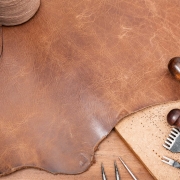
Leather is a durable and flexible material that is made from the hides or skins of animals such as buffalo, cows, goats, sheep, and pigs. It is often used in the fashion industry to make shoes, bags, belts, jackets, and other accessories. Leather is valued for its toughness, resistance to wear and tear, and aesthetic appeal. With proper care, leather products can last for many years and even improve in appearance with age. It is one of the oldest raw materials known to mankind.

How do you get from an animal hide to a skin?

The process of turning animal hides into footwear involves several steps, including cleaning, tanning, and finishing.

What’s the first process in getting the leather?

The initial process of removing an animal hide to make leather involves several steps. First, the animal is slaughtered and the hide is removed. The hide is then soaked in water to remove any blood, debris or dirt. It is then treated with a chemical solution to remove any remaining flesh and hair. Next, the hide is stretched and dried to prepare it for tanning.

Tanning is the process of treating the hide with chemicals to prevent decay and preserve the leather. Once tanned, the leather can be dyed, cut, and shaped to create various products.

What happens after tanning of the leather?

After tanning, the hides are treated with finishing agents to make them soft and pliable, and then they are cut and sewn into the shape of shoes. Finally, the shoes are finished with details like laces, buckles, and soles before being boxed up and shipped off to our stores.

Why is buffalo leather better than cow leather in safety footwear?

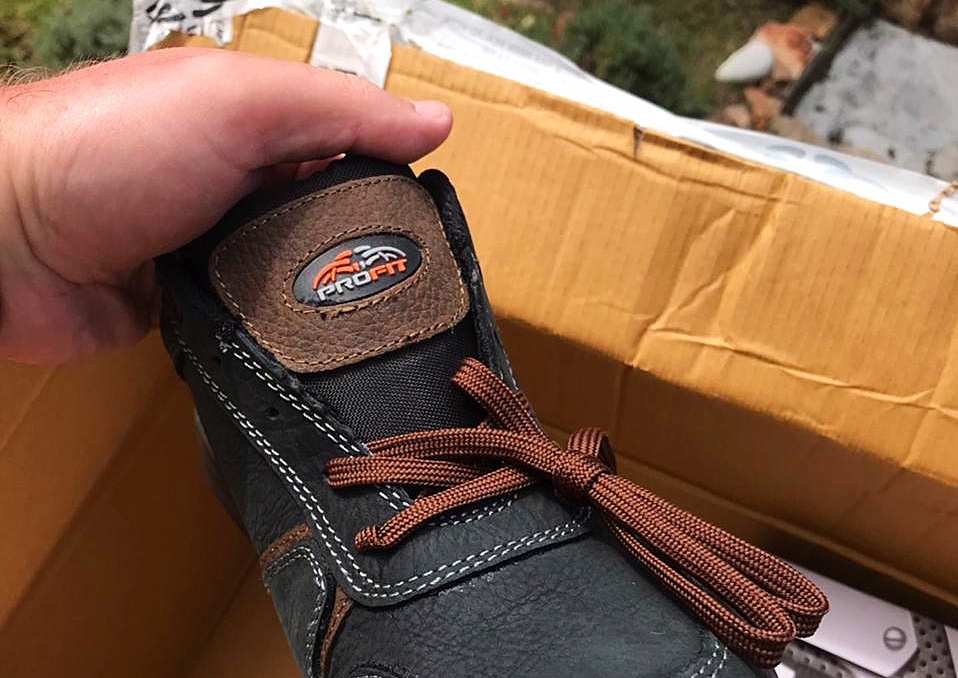
Buffalo leather is stronger than cow leather because buffalo hide has a unique fiber structure that makes the leather more dense and durable. Additionally, buffalo leather tends to have fewer natural defects than cow leather, giving it an overall higher quality. This is why we use it is the main component in our high quality safety boots and safety shoes.

Is foot safety being taking more seriously?

Absolutely! Safety is being taking more seriously across the planet. And so it should be! According to a report by Grand View Research, the global safety footwear market was valued at USD 5.7 billion in 2018 and is expected to reach USD 8.2 billion by 2025! This indicates a steady and growing demand for safety footwear worldwide.
Tags: leather, Leather safety boots, leather safety shoes
Share this entry
  • Share on Facebook
  • Share on X
  • Share on WhatsApp
  • Share on Pinterest
  • Share on LinkedIn
  • Share on Tumblr
  • Share on Vk
  • Share on Reddit
  • Share by Mail
https://profitfootwear.com/wp-content/uploads/2023/05/profit-safety-boot-resized.jpg 678 958 Nick Bryant https://profitfootwear.com/wp-content/uploads/2021/09/ProFit-Logo-Dark-Backgrounds-300x126.png Nick Bryant2023-05-30 15:20:482023-06-21 10:43:38Leather a quick understanding : From Start (in the field) to Finish (out of the shoe box)
You might also like
Leather The Impossibility of Producing Vegan Leather
Safety Boots What to Look for as a customer in a High Quality Pair of Leather Safety Boots
Leather : The Various “Grades” and What You NEED to Know!
Profit Boot India The Leather Manufacturing Capital of the World
Footwear Through the Ages

BROWSE BLOGS

  • Why Safety Shoes and Boots Can’t Solve Foot Problems
  • Getting Safety Boot Requirements Just Right
  • Anti-Slip (Slip Resistant) versus Non-Slip
  • Choosing the right safety boot for the job
  • Procare safety boot care
  • ProFit Is South Africa’s Perfect Fit Safety-Footwear Supplier
  • Steel Toe Caps and Why Shape, Size and Fit Matter
  • The Legend Of The Samson Safety Boot
  • Hydrolysis : Why you no longer need to worry at ProFit Safety Footwear
  • Understanding ISO 20345:2023 – A New Era for Steel Toe Cap Footwear
  • These Boots Are Made for Working
  • Why the Davids of Business Always Beat the Goliaths (When They’ve Got a Little Grit and a Lot of Personality)
  • Caring For Nubuck Leather: The Art, Science, and Care of the Finest Leathers
  • Providing PPE is Good Business Practice
  • Antistatic vs ESD
  • Why Quality Safety Boots Matter for Tradespeople
  • The Impossibility of Producing Vegan Leather
  • Raw Materials in Steel Toe Cap Safety Boots
  • Why is there such a large variance in the price of Safety Footwear?
  • Stainless Steel Midsoles Verses Anti Puncture Material (Kevlar) Midsoles
  • The Importance of Steel Toe Caps & Anti Slip Polyurethane Soles
  • India The Leather Manufacturing Capital of the World
  • Footwear Through the Ages
  • What to Look for as a customer in a High Quality Pair of Leather Safety Boots
  • ISO 20345 Code For Safety Boots

NAVIGATE

HOME
ABOUT
TEAM
PRODUCT
BLOG
CONTACT

PRODUCTS

MEN’S SHOES
WOMEN’S SHOES
UNISEX SHOES
INNER SOLES
SOCKS

VIEW PRODUCT CATALOGUE

LATEST BLOGS

THE IMPORTANCE OF CHOOSING THE RIGHT SOCKS

BASIC SAFETY BOOT CARE GUIDELINES

POLYURETHANE INJECTED SOLES AND HYDROLYSIS

THE CAUSES OF BURNING FEET

STOCKISTS

BECOME A CERTIFIED PARTNER

Proud Member of SAPEMA

VIEW 2025 CERTIFICATE

© Copyright ProFit Footwear 2021 | Website by Engage24
  • Link to Facebook
  • Link to LinkedIn
  • Link to Instagram
Link to: How to Correctly Put On and Wear a pair of Safety Boots Link to: How to Correctly Put On and Wear a pair of Safety Boots How to Correctly Put On and Wear a pair of Safety BootsPutting on a pair of Safety Boots Link to: Safety Boot Codes Explained Link to: Safety Boot Codes Explained SafetySafety Boot Codes Explained
Scroll to top Scroll to top Scroll to top