

Why Quality Safety Boots Matter for Tradespeople

As a tradesperson, you know that your work is physically demanding and often hazardous. You’re on your feet all day, navigating rough terrain, and handling heavy tools and materials. Your safety is paramount, and it starts with the right gear – particularly, your boots. At ProFit, we understand the importance of quality safety boots that can keep up with your demanding work environment. That’s why heat-resistant, slip-resistant, steel-toed, anti-penetration and full-grain leather boots are essential.

Why Quality Safety Boots Matter for Tradespeople

As a tradesperson, you know that your work is physically demanding and often hazardous. You’re on your feet all day, navigating rough terrain, and handling heavy tools and materials. Your safety is paramount, and it starts with the right gear – particularly, your boots. At ProFit, we understand the importance of quality safety boots that can keep up with your demanding work environment. That’s why heat-resistant, slip-resistant, steel-toed, anti-penetration and full-grain leather boots are essential.


The Risks of Poor Footwear

The consequences of wearing subpar boots can be severe. According to the Bureau of Labor Statistics, foot injuries are one of the most common workplace injuries, accounting for over 60,000 cases per year. These injuries can lead to costly medical bills, lost productivity, and even long-term damage to your feet and ankles. Moreover, poor footwear can also affect your overall performance and job satisfaction. When your feet are uncomfortable or at risk, you’re more likely to be distracted, fatigued, and prone to mistakes.

The Importance of Heat Resistance

Heat resistance is a critical feature in safety boots, especially for tradespeople who work in hot environments. Here are three key reasons why:

  • Reduced discomfort: Heat-resistant boots keep your feet cool and dry, reducing discomfort and fatigue.
  • Improved performance: When your feet are comfortable, you can focus on the task at hand, leading to improved productivity and quality of work.
  • Enhanced safety: Heat-resistant boots reduce the risk of heat-related injuries, such as burns and heat exhaustion

What are the Environmental Implications of Vegan Leather Production?

Resource Use and Energy Consumption
The production of both synthetic and bio-based vegan leathers requires substantial amounts of resources and energy. The extraction of raw materials, the manufacturing process, and the transportation of finished products all contribute to environmental degradation. For example, the production of PU and PVC leather involves significant energy use, contributing to carbon emissions. Similarly, while bio-based materials like Piñatex and MycoLeather utilize renewable resources, their processing can be energy-intensive and involve chemicals that impact the environment.
Waste and End-of-Life Considerations
One of the critical challenges of vegan leather is its end-of-life disposal:

  • Synthetic Vegan Leathers:Materials like PU and PVC are not biodegradable and can persist in landfills for extended periods. Their disposal can lead to environmental pollution, as they release toxins into the soil and water.
  • Bio-based Vegan Leathers:While bio-based options like MycoLeather and Piñatex are designed to be more environmentally friendly, their actual degradation processes depend on specific conditions. If not properly managed, they may still contribute to landfill waste.

The Dangers of Slippery Surfaces

Slippery surfaces are a common hazard on construction sites, and a slip can lead to serious injuries. According to the Occupational Safety and Health Administration (OSHA), slips, trips, and falls account for over 20% of workplace injuries. That’s why slip-resistant boots are a must-have for tradespeople. Here are three key benefits of slip-resistant boots:

  • Reduced risk of falls: Slip-resistant boots provide exceptional grip on wet, oily, or uneven surfaces, reducing the risk of falls and injuries.
  • Improved confidence: When you’re confident in your footwear, you’re more likely to take on challenging tasks with ease.
  • Enhanced job satisfaction: Slip-resistant boots give you the peace of mind to focus on your work, leading to improved job satisfaction and productivity.

The Protection of Steel Toe Caps

Steel toe caps are a crucial feature in safety boots, providing an extra layer of protection for your toes. Here are three key reasons why are essential:

  • Protection from impact: Steel toe caps can withstand heavy impacts – up to 200 joules – protecting your toes from injury.
  • Compliance with regulations: Many industries require steel toe caps as a mandatory safety feature.
  • Peace of mind: Steel toe caps give you the confidence to work without worrying about toe injuries.

The Hidden Danger of Puncture Injuries To The Feet

One often-overlooked aspect of safety boots is the risk of puncture injuries. Sharp objects, such as nails, screws, and broken glass, can easily puncture the sole of your boot and cause serious injury. This is where a penetration-resistant steel midsole comes in. A steel midsole provides an extra layer of protection between the outsole and the insole, preventing sharp objects from penetrating the boot and causing injury. Without a penetration-resistant steel midsole, you’re at risk of serious injury, including:

  • Puncture wounds: Sharp objects can cause deep wounds that require stitches or even surgery.
  • Infection: Puncture wounds can lead to infection, which can be serious and even life-threatening.
  • Long-term damage: Puncture injuries can cause long-term damage to your feet and ankles, leading to chronic pain and discomfort.

The Benefits of Full-Grain Leather

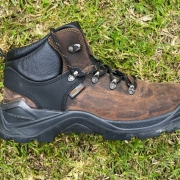
Full-grain leather is the gold standard for safety boots, and for good reason. Here are three key benefits of full-grain leather boots:

  • Durability: Full-grain leather is incredibly durable, resistant to abrasion, and can withstand the rigors of heavy use.
  • Comfort Full-grain leather is breathable, ensuring your feet stay cool and dry.
  • Quality: Full-grain leather is a hallmark of high-quality boots, ensuring you’re investing in a product that will last – especially when maintained and polished regularly.

At ProFit Safety Footwear, we’re committed to providing tradespeople like you with the best safety boots on the market. Our heat-resistant, slip-resistant, steel-toed, anti-penetration and full-grain leather boots are designed to keep you safe and comfortable on the job site. By choosing ProFit, (the Professional Fitting safety range) you’re investing in your own safety and well-being. So why settle for anything less? Step up your safety game with ProFit – your feet will thank you.

For a chat about your work forces safety boot requirements please give us a call on +27 11 892 8030 / 8031 / 8032 or drop an email to organise a call info@profitfootwear.co.za
The Impossibility of Producing Vegan Leather

In recent years, the term “vegan leather” has gained significant traction in the fashion and textile industries as an alternative to traditional animal-derived leather. Marketed as a cruelty-free and environmentally friendly option, vegan leather appeals to a growing demographic of consumers seeking ethical and sustainable products.

However, despite its popularity and the advances in material science, the production of vegan leather presents substantial challenges that call into question the viability of the term itself. This essay explores why producing vegan leather is fraught with difficulties, examining the materials used, the environmental implications, and the fundamental issues underlying the production process.

So What is Vegan Leather?

Definitions and Types
Vegan leather is a term used to describe synthetic or alternative materials designed to mimic the appearance and texture of traditional animal leather. The primary goal is to provide an ethical and environmentally friendly option without using animal hides. Vegan leather comes in several forms:

  • Polyurethane (PU) Leather:Made from a polymer coating applied to a base fabric, such as polyester.
  • Polyvinyl Chloride (PVC) Leather:Produced from a plastic coating that gives it a leather-like finish.
  • Bio-based Leathers:Lighter alternative to steel, providing similar protection.
  • Metatarsal Boots:These include materials derived from plant-based sources, such as pineapple leaves (Piñatex), apple peels, or mushrooms (MycoLeather).

Each type of vegan leather has its own production process, benefits, and limitations, but they all face significant challenges that contribute to the argument that vegan leather is essentially impossible to produce sustainably.


The Production Challenges of Vegan Leather

Synthetic Alternatives: PU and PVC
Polyurethane (PU) Leather
PU leather is a popular alternative due to its similarity to genuine leather and its lower cost. However, its production is not without problems:

  • Chemical Composition:PU leather involves the use of chemicals such as diisocyanates, solvents, and plasticizers. These chemicals are not only hazardous to human health but also contribute to environmental pollution during production.
  • Environmental Impact:Despite being marketed as eco-friendly, the manufacturing process of PU leather is resource-intensive. It requires significant amounts of energy and produces greenhouse gases. The production of PU also involves toxic emissions that can affect air and water quality.
  • Durability Issues:PU leather often lacks the durability and breathability of genuine leather, leading to concerns about its long-term sustainability.

Polyvinyl Chloride (PVC) Leather
PVC leather is another common synthetic alternative, but it also poses several challenges:

  • Toxicity:The production of PVC leather involves the use of chlorine and other harmful chemicals, which can result in the release of dioxins and phthalates. These substances are known to be harmful to both human health and the environment.
  • Environmental Concerns: PVC is not biodegradable and can persist in the environment for hundreds of years. Its production also involves high energy consumption and significant CO2 emissions.
  • Limited Recyclability:PVC leather is challenging to recycle due to the complex chemical composition, which further exacerbates its environmental impact.

Bio-based Alternatives: Piñatex, Apple Leather, and MycoLeather
Piñatex (Pineapple Leaf Fiber)
Piñatex is derived from the fibers of pineapple leaves and is often touted as a sustainable option. However, it faces several issues:

  • Resource-Intensive Production:While the raw material is a byproduct of pineapple farming, the production process of Piñatex involves extensive chemical treatments to enhance durability and flexibility. These chemicals can be harmful and negate some of the environmental benefits.
  • Limited Supply:The availability of pineapple leaves may not be sufficient to meet the growing demand for Piñatex, leading to potential supply chain issues and increased environmental pressure.
  • Performance Limitations:Piñatex often falls short in terms of durability and flexibility compared to traditional leather, which may limit its practical

Apple Leather
Apple leather is made from apple pomace, a byproduct of apple juice production. Despite its promising aspects, it has several limitations:

  • Processing Complexity: The production of apple leather involves combining apple fibers with synthetic binders and coatings, which can introduce additional environmental and health concerns.
  • Durability Concerns:Apple leather’s performance can be inconsistent, particularly regarding its longevity and resistance to wear and tear.

MycoLeather (Mushroom Leather)
MycoLeather is produced from fungal mycelium and offers a biodegradable alternative. However, it faces challenges such as:

  • Scalability:Producing MycoLeather on a large scale remains a significant challenge. The cultivation process requires controlled conditions and may not yet be able to meet the demand for large-scale production.
  • Processing Needs:The production process involves specific treatments to ensure durability and aesthetic qualities, which can introduce additional environmental impacts.
  • Cost Issues:The current cost of MycoLeather is relatively high, which may limit its adoption in mainstream markets.

What are the Environmental Implications of Vegan Leather Production?

Resource Use and Energy Consumption
The production of both synthetic and bio-based vegan leathers requires substantial amounts of resources and energy. The extraction of raw materials, the manufacturing process, and the transportation of finished products all contribute to environmental degradation. For example, the production of PU and PVC leather involves significant energy use, contributing to carbon emissions. Similarly, while bio-based materials like Piñatex and MycoLeather utilize renewable resources, their processing can be energy-intensive and involve chemicals that impact the environment.
Waste and End-of-Life Considerations
One of the critical challenges of vegan leather is its end-of-life disposal:

  • Synthetic Vegan Leathers:Materials like PU and PVC are not biodegradable and can persist in landfills for extended periods. Their disposal can lead to environmental pollution, as they release toxins into the soil and water.
  • Bio-based Vegan Leathers:While bio-based options like MycoLeather and Piñatex are designed to be more environmentally friendly, their actual degradation processes depend on specific conditions. If not properly managed, they may still contribute to landfill waste.

Ethical Considerations and Consumer Perceptions

Ethical Implications
While vegan leather is marketed as a cruelty-free alternative, the production processes involved can raise ethical concerns:

  • Chemical Use:The use of hazardous chemicals in synthetic vegan leathers raises questions about the safety of workers involved in production and the impact on surrounding communities.
  • Animal Welfare:Some argue that even though vegan leather avoids the use of animal products, the environmental and ethical issues associated with its production can undermine the broader goals of animal welfare.

Consumer Perceptions and Misconceptions
The term “vegan leather” can be misleading, as it implies a product that is both environmentally friendly and ethical. However, the reality is more complex:

  • Greenwashing:Companies may use the vegan leather label to market their products as sustainable without addressing the underlying environmental issues. This can mislead consumers who are seeking genuinely eco-friendly options.
  • Informed Choices:Educating consumers about the true environmental and ethical implications of vegan leather is crucial for making informed purchasing decisions.

Future Directions and Potential Solutions

Advances in Material Science
To address the challenges associated with vegan leather, advancements in material science are essential:

  • Developing Sustainable Alternatives:Research into new materials that offer both ethical and environmental benefits could lead to more viable vegan leather options. For example, innovations in algae-based materials or fully biodegradable composites may provide more sustainable solutions.
  • Improving Recycling Technologies:Enhancing the recyclability of synthetic vegan leathers could mitigate some of their environmental impacts. Developing closed-loop recycling systems and improving waste management practices are crucial for reducing the overall footprint.

Industry and Consumer Responsibility
Addressing the challenges of vegan leather production requires collaboration between the industry and consumers:

  • Industry Initiatives:Companies should focus on transparent practices, investing in research and development to create genuinely sustainable products. They should also work on improving the environmental impact of their supply chains.
  • Consumer Awareness:Raising awareness about the complexities of vegan leather and encouraging consumers to make informed choices can drive demand for more sustainable and ethical alternatives.

So What Now For Vegan Leather?

The production of vegan leather presents significant challenges that question the feasibility of its claim to be a truly sustainable and ethical alternative to traditional leather. While vegan leather offers some advantages, such as avoiding animal cruelty, it also involves substantial environmental and ethical issues related to the materials used, production processes, and end-of-life disposal. As the demand for ethical and eco-friendly products continues to rise, it is crucial for the industry to address these challenges through innovation, transparency, and improved practices. Only through a concerted effort to develop genuinely sustainable alternatives and educate consumers can the promise of vegan leather be realized in a meaningful way.


For a chat about your work forces safety boot requirements please give us a call on +27 11 892 8030 / 8031 / 8032 or drop an email to organise a call info@profitfootwear.co.za

Raw Materials in Steel Toe Cap Safety Boots

In the modern industrial landscape, safety footwear plays a crucial role in protecting workers from a variety of hazards. Among the different types of safety footwear, steel toe cap safety boots are renowned for their robust protection against heavy impacts and compression. These boots are engineered to meet stringent safety standards and are integral to maintaining workplace safety across numerous industries, including construction, manufacturing, and warehousing.

The manufacturing of steel toe cap safety boots involves a complex interplay of various raw materials, each contributing to the overall functionality, durability, and comfort of the footwear. This essay delves into the raw materials used in the production of these boots, exploring their properties, sources, processing methods, and their impact on the final product.

Understanding Steel Toe Cap Safety Boots

Definition and Purpose
Steel toe cap safety boots are designed to offer superior protection to the toes and feet. The steel toe cap is a reinforced component embedded within the boot’s toe area, which helps safeguard the wearer from falling objects, heavy impacts, and compression injuries. These boots are a staple in environments where foot safety is paramount due to the potential for significant hazards.

Types of Safety Boots
Safety boots can vary based on their intended use and the level of protection they offer. The most common types include:

  • Steel Toe Boots:: Featuring a steel cap for maximum protection.
  • Composite Toe Boots: : Made with non-metallic materials like Kevlar or carbon fiber.
  • Aluminum Toe Boots: Lighter alternative to steel, providing similar protection.
  • Metatarsal Boots:: Providing additional protection to the metatarsal bones. Each type has distinct advantages depending on the specific needs of the workplace.

Each type has distinct advantages depending on the specific needs of the workplace.


Key Raw Materials in Safety Boots

Steel
Composition and Types
Steel used in safety boots is typically carbon steel or alloy steel. Carbon steel is a blend of iron and carbon, with varying amounts of other elements like manganese. Alloy steel, on the other hand, includes additional elements such as chromium, nickel, and molybdenum, which enhance its strength and resistance to corrosion.
Properties and Benefits
Steel is chosen for its excellent impact resistance, high tensile strength, and durability. It can withstand significant forces and is resistant to deformation under stress. These properties are crucial for the protection offered by steel toe caps, making them a preferred choice for many safety footwear applications.
Manufacturing Process
The production of steel toe caps involves several stages:

  • Steel Production:: Steel is produced through processes such as the Basic Oxygen Steelmaking (BOS) or Electric Arc Furnace (EAF) methods.
  • Forging:: Premium safety boots often involve extensive handcrafting, which is labor-intensive and increases production costs.
  • Tempering:: The forged steel is tempered to enhance its toughness and reduce brittleness.

Leather
Types of Leather
The choice of leather in safety boots can vary, including:

  • Full-Grain Leather: The highest quality leather with natural grains, offering durability and breathability.
  • Top-Grain Leather: Sanded and refinished leather, slightly less durable but more pliable.
  • Split Leather:The lower layers of the hide, which are less expensive but also less durable.

Leather Processing
Leather processing involves tanning, which can be done using different methods:

  • Chrome Tanning: A faster process that uses chromium salts, resulting in leather that is more resistant to water and heat.
  • Vegetable Tanning:An older, more environmentally friendly method using plant-based tannins, which produces stiffer leather with a unique patina.

Rubber and Polyurethane (PU)
Rubber Types
Rubber soles in safety boots can be made from:

  • Natural Rubber:Derived from latex, offering good elasticity and durability.
  • Synthetic Rubber:Includes various types such as Styrene-Butadiene Rubber (SBR) and Nitrile Rubber, which are more resistant to oil and chemicals.

Polyurethane (PU)
PU is commonly used in the soles of safety boots due to its:

  • Lightweight:PU soles are lighter than rubber, reducing fatigue.
  • Cushioning:Provides excellent shock absorption and comfort.
  • Durability:Resistant to abrasion and wear.

Processing
The manufacturing of rubber and PU involves mixing raw materials, molding, and curing processes. Each type of material requires specific conditions to achieve the desired properties.

EVA (Ethylene Vinyl Acetate)
Properties and Benefits
EVA is known for its:

  • Lightweight Nature:Reduces overall boot weight.
  • Shock Absorption:Provides cushioning and comfort.
  • Flexibility:Enhances the boot’s overall comfort and ease of movement.

Applications in Safety Boots
EVA is used primarily in midsoles and insoles, offering support and enhancing the wearer’s comfort during extended use.

Textile Materials
Types of Textile Materials
Textiles used in safety boots include:

  • Nylon:Durable and resistant to abrasions.
  • Polyester:Lightweight and quick-drying.
  • Blends:Combining different fibers to enhance specific properties.

Applications
Textiles are used in linings, padding, and external fabrics. They contribute to the boot’s breathability, moisture-wicking, and overall comfort.


Additional Materials and Components

Fasteners and Laces
Materials Used
Fasteners and laces are made from:

  • Metal:Brass or stainless steel for durability.
  • Synthetic Materials:Nylon or polyester for laces, offering flexibility and strength.

Function and Durability
Fasteners and laces are crucial for ensuring the boot fits securely and comfortably. They must withstand significant stress and wear.

Insoles and Padding
Types Of Insoles
Insoles can be made from:

  • Foam:Provides cushioning and support.
  • Gel:Offers enhanced shock absorption.
  • Air-Cushioned:Incorporates air pockets for comfort.

Padding Materials
Padding materials include various foams and gels, designed to enhance comfort and reduce fatigue.

Outsoles
Material Choices
Outsoles are typically made from:

  • Rubber:Known for its durability and grip.
  • PU:Lightweight and cushioned.
  • Composite Materials:Combining various substances to optimize performance.

Features
Outsoles must provide traction, resistance to slipping, and durability under harsh conditions.


Environmental and Safety Standards

Industry Standards
Global Standards
Safety boots are subject to standards such as:

  • ASTM:American Society for Testing and Materials.
  • ISO:International Organization for Standardization.
  • EN:European Norms.

Compliance and Testing
Manufacturers must ensure their products meet these standards through rigorous testing for impact resistance, compression, and other safety features.
Environmental Impact
Sustainable Materials
The use of recycled and eco-friendly materials is becoming more prevalent. Sustainable practices in leather production and material sourcing are important for reducing the environmental footprint.
Waste Management
Efforts are being made to minimize waste through improved manufacturing processes and recycling programs.


Manufacturing Process

Design and Development
Initial Design Considerations
Designing safety boots involves:

  • Ergonomics:Ensuring comfort and support.
  • Safety Features:Incorporating necessary protection elements.

Prototype Testing
Prototypes are tested for durability, safety, and comfort. This involves various physical tests and user feedback.

Production Steps
Cutting and Shaping
Materials are cut and shaped using precision machinery to ensure accuracy and quality.
Assembly
The assembly process includes stitching, bonding, and integrating various components to create the final product.

Quality Control
Inspection Processes
Quality control involves inspecting each boot for defects and ensuring that it meets safety and performance standards.
Quality Assurance
Ongoing quality assurance measures are implemented to maintain product consistency and reliability.


Future Trends and Innovations

Technological Advancements
New Materials
Emerging materials such as advanced composites and bio-based polymers are being explored for their potential benefits.
Design Innovations
Innovations in design focus on improving comfort, safety, and functionality, including the integration of smart technology.

Sustainability Efforts
Green Manufacturing
Efforts to reduce the environmental impact of manufacturing include adopting green technologies and sustainable practices.
Consumer Trends
There is a growing demand for environmentally friendly and ethically produced safety boots.

Raw Materials For Steel Toe Cap Safety PPE Footwear
The raw materials used in the manufacture of steel toe cap safety boots are critical to their performance, durability, and safety. Understanding the properties and processing of each material provides insight into the complexity of producing footwear that meets high safety standards. As technology and consumer demands evolve, the industry continues to innovate, aiming to enhance both the functionality and environmental impact of safety boots.


For a chat about your work forces safety boot requirements please give us a call on +27 11 892 8030 / 8031 / 8032 or drop an email to organise a call info@profitfootwear.co.za