What to Look for as a customer in a High Quality Pair of Leather Safety Boots
What to Look for as a customer in a High Quality Pair of Leather Safety Boots
Leather boots have stood the test of time as a versatile and stylish footwear choice for both men and women. However, not all leather boots are created equal. To ensure durability, comfort, and timeless appeal, it is crucial to know what distinguishes a high-quality pair of leather boots from the rest. In this article, we will explore the various factors that contribute to the excellence of leather boots, including leather quality, craftsmanship, construction techniques, fitting considerations, and most importantly maintenance.
Leather Quality
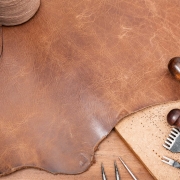
1. Full Grain Leather is the gold standard of leather quality. It maintains the natural grain pattern from the animal, offering superior durability and excellent strength. More so, it shows character as it ages, creating a unique patina (the intrinsic way leather ages).
2. Top Grain Leather is the second-best option after full-grain leather. It will have less natural markings compared to full-grain, but still maintains a top end strength. It is often used for price point as a compromise between durability and appearance.
3. Corrected Grain Leather is the lower quality leather with many imperfections. The surface is sanded down and plate embossed with colour to achieve a uniform look. It therefore lacks the same longevity and individuality as full or top-grain leather. But serves its purpose well as all leather has value.
Craftsmanship and Construction Techniques
1. Leather Safety Boots are both handmade and machine made. The handmade part of the boots exhibits meticulous attention to detail and craftsmanship. Countless hours and incredible skills go into creating the leather upper. The machine-made part of the boot is only the sole upon which you stand. It is an injected polyurethane and/or rubber. Being a stainless-steel mould, it is mass-produced to ensure consistency in sole pattern, sole design and sizing.
2. Welted Construction known as Goodyear welt construction (a strip of leather, rubber or plastic which runs along the outer perimeter of a shoe outsole) provides an excellent durability and easy sole replacement. Blake stitch construction offers super sleek aesthetics and flexibility but may sacrifice overall durability. This type of construction is not found in Safety Footwear, but rather dress shoes and smart evening wear.
3. Stitchdown. If you are a South African, all that needs to be said is “Veldskoen”. A non-steel toe “field shoe” (farm shoe) which whilst has always been a popular South African original since the 17th century, has over the last decade exploded back into popularity with tens of thousands of pairs being sold under a variety of brands, with different colour soles and has captured the smart casual market. The highly unique stitch exposed along the outer perimeter of the sole, where the outward turned leather edge is bound directly to the sole. 100% leather and amazing comfort.
4. Stitching and Seams: Double or even triple stitching ensures better bonding, strength and longevity. As a client, always pay attention to tight, straight stitches running neatly next to each other without loose ends or fraying.
Fitting Considerations
1. Last and Foot Shape must be determined – meaning the shape and curve of your feet to find the right last. Different brands have different lasts, and different lasts means different fits and therefore variance in comfort. Especially when using footwear with a steel toe cap at the front.
2. Arch Support. Adequate arch support improves comfort and reduces fatigue. Always look for footwear which offers memory foam innersoles inside the shoe. This is what you will be standing on. Insufficient support can lead to discomfort and potential foot problems.
3. Toe Box [Toe Cap Area]. At the front of shoe, in front of the forefoot area, you must have sufficient room for toes to move comfortably. Obviously if you have a wide foot, you will avoid narrow, constricting toe boxes that can cause discomfort or deformities. Brands, like ProFit, offer 4 different shape toe boxes to cover the needs of petite, standard, wide and extra wide feet.
Comfort and Functionality
1. Innersoles or Footbeds can be checked inside the shoe or boot. They are removable and replaceable. A cushioned insoles provide comfort during long hours of wear. Quality innersoles offer further shock absorption, enhance stability and provide that walking on air type feeling. The ProFit “ComFit” gel memory foam innersole is one of the designs we are most proud of – and we make sure it is a standard in 99% of the shoes and boots which we produce.
2. Breathability – Always opt for boots made from breathable materials (like leather) which help to prevent excessive sweating and odours. Leather with the added benefit of sports mesh linings enhances airflow.
3. Outsole. Depending on your work environment needs, Rubber or PU outsoles provide traction and durability. Always consider the boots’ intended purpose and the type of terrain you will encounter to make an informed decision.
4. Maintenance and Care. Those two words directly affect the life span of leather footwear. That is a categorical fact. Regular cleaning, removal of dirt and debris using a soft brush or damp cloth and applying a polish to the leather upper will keep the leather supple and prevent cracking and pulling loose from the outsole.
5. Polishing and Waterproofing. Polishing maintains the boots’ shine and prevents colour fading. It also keeps the leather soft and flexible. Polishing also protect the leather from rain and moisture. It is a simple and yet highly effective way of maintaining your boots for years.
In Conclusion
Choosing a high-quality pair of leather boots involves considering various factors such as leather quality, craftsmanship, construction techniques, fitting considerations, and maintenance. By carefully examining these aspects, you can make an informed purchase that guarantees durability, comfort, and timeless style. Whether for everyday wear or special occasions (DWK) , investing in a pair of leather safety boots that meet these criteria will undoubtedly prove to be a wise and comfortable decision.
For a chat about your work forces safety footwear requirements please give us a call on +27 11 892 8030 / 8031 / 8032 or drop an email to organise a call info@profitfootwear.co.za.