Tag Archive for: steel toe caps

Steel Toe Caps and Why Shape, Size and Fit Matter

When most people think about safety footwear, the first image that comes to mind is the steel toe cap – that hardened shield across the front of the boot designed to save the wearer’s toes from crushing impact. It’s the symbol of protection, toughness, and industrial reliability.

But behind that familiar gleam of metal lies an engineering story far more complex than most realise. Today’s steel toe caps don’t just differ by strength or standard; they vary subtly – and sometimes dramatically – in width, height, length, curvature, and contour. These design variables make the difference between a boot that merely passes a safety test and one that a worker can wear comfortably for twelve-hour shifts, day after day.

1. The Function of the Toe Cap: More Than a Shield

The steel toe cap was introduced into industrial footwear over a century ago to prevent injuries from falling tools, rolling drums, or crushing machinery. In compliance with standards such as ISO 20345, every toe cap – steel, composite, or aluminium – must withstand an impact of 200 joules and a compression load of 15 kN.

However, what the standard doesn’t dictate is how the toe cap should feel. Comfort, balance, and foot shape adaptation are left to designers and last engineers. The magic lies in translating rigid protection into a form that moves naturally with the human foot – a task much more complicated than forging steel.

2. The Three-Dimensional Challenge of Foot Anatomy

Human feet vary enormously. The length of the toes, the breadth of the forefoot, the height of the instep, and even the curvature of the big toe differ across individuals and populations. A one-size-fits-all approach to toe protection is a recipe for discomfort.

A narrow cap squeezes the forefoot, creating pressure points that can cause corns, blisters, and fatigue. A tall cap may offer “wiggle room” but can alter balance and gait. A long cap may look sleek yet leave excess space that forces the foot to slide forward, rubbing against internal seams.

Therefore, manufacturers design toe caps in varying widths, heights, and lengths to accommodate this biological diversity – and pair each cap with a last, the three-dimensional mould on which the footwear is built.

3. Width: The Forgotten Dimension of Comfort

The width of the toe cap – from the medial (inner) to the lateral (outer) edge – plays a crucial role in perceived comfort.

Narrow Caps

Some European designs, especially those built for slim lasts, use narrower steel caps to achieve a sharp, athletic silhouette. While aesthetically pleasing, narrow caps can press the fifth metatarsal (the bone behind the little toe), causing discomfort for those with broad feet.

Wide Caps

Conversely, wide caps distribute pressure more evenly and allow toes to splay naturally. This is essential for wearers spending long hours standing, such as in mining or construction. Many modern brands now offer “wide fit” or “extra wide fit” ranges where the steel cap flares slightly at the sides, mimicking the spread of a natural foot.

Asymmetric Caps

Some innovative designs have gone further with asymmetric toe caps, shaped to follow the natural inward curve of the big toe and outward flare of the smaller toes. This subtle anatomical adjustment can drastically reduce fatigue and improve long-term comfort without increasing bulk.

4. Height: Balancing Protection and Profile

The height of the toe cap – measured from the inner sole to the top of the steel dome – affects both comfort and appearance.

Low-Profile Caps

Slimmer caps are lighter and create a sleeker silhouette, ideal for styles that cross over into casual or uniform wear. However, when the cap sits too close to the toes, it limits movement and can cause nail irritation, especially when walking downhill.

High-Volume Caps

Higher caps provide extra vertical space, reducing pressure on the toes and allowing for thicker socks. Yet, excessive height can create a “cavernous” feel and cause instability as the foot slides within the boot.

Optimised Balance

Ergonomic cap designs aim to mimic the natural upward arc of the toes – slightly higher near the big toe, tapering toward the pinky – while maintaining an even clearance. The best results occur when the internal volume of the cap aligns precisely with the toe spring and forefoot angle of the last.

5. Length: Every Millimetre Matters

The length of a steel toe cap determines where the protective zone ends relative to the metatarsal joints.

A cap that extends too far backward can create stiffness under the ball of the foot, restricting flexion. Too short, and the safety zone may leave the toes vulnerable during heavy impact.

In modern safety design, the ideal cap length extends just beyond the natural toe line – long enough to guard the phalanges but short enough to maintain natural forefoot flex.

Some last engineers even vary cap length across sizes to preserve proportional geometry, ensuring that a size 12 boot doesn’t feel more cramped or loose than a size 7.

6. Contour and Internal Finish

Comfort isn’t determined solely by size; it’s also about shape and finish.

Steel toe caps are cold-formed or stamped into domes, but the interior must be smoothly ground to prevent pressure points. Manufacturers often coat the inner surface with epoxy or polymer paint to avoid rust and create a seamless lining interface.

Additionally, a thin toe puff – a soft thermoplastic reinforcement wrapped over the steel – smooths the transition between metal and upper leather. The shape of this puff determines whether the toe box feels round, square, or tapered.

7. The Role of the Last: Where Art Meets Engineering

The last is the soul of every shoe. When paired correctly with a toe cap, it defines the internal comfort geometry. A mismatch between last curvature and cap contour leads to discomfort even if the boot meets all safety standards.

  • Round lasts pair best with wide, high steel caps – ideal for broad feet and heavy industrial boots.
  • Slim lasts complement narrow, low-profile caps – suited for uniform or lighter-duty safety shoes.
  • Ergo or anatomical lasts incorporate asymmetry, arch support, and toe curvature to mimic the human foot. When combined with shaped steel caps, they produce exceptional all-day comfort.

Modern CAD modelling allows designers to map pressure points digitally and refine last–cap integration down to half-millimetre precision.

8. Regional Fit Preference

Foot morphology varies by region, influencing cap design philosophies:

  • European lasts tend to be narrow with higher toe spring.
  • Asian lasts are typically wider and shorter.
  • African markets, especially Southern Africa, favour broad forefeet with moderate height.

For global brands, the challenge lies in localising cap geometry – producing region-specific lasts and toe caps that accommodate these anthropometric differences without retooling entire production lines. Some manufacturers now develop modular toe cap systems, where a single upper pattern can accommodate two or three cap widths, reducing inventory complexity.

9. Ergonomics and Biomechanics: Why Fit Equals Safety

A poorly fitting steel toe cap doesn’t just cause discomfort – it can compromise safety performance.

When toes are compressed, circulation decreases, leading to fatigue and slower reaction times. Workers may subconsciously alter their gait to avoid pain, increasing the risk of slips or joint strain.

Conversely, a well-fitted toe cap supports natural motion. Toes can flex and spread, maintaining balance and reducing energy loss during long shifts. Studies show that properly contoured safety footwear can reduce foot fatigue by up to 30 percent over eight hours of use.

10. Testing Comfort Alongside Compliance

The industry has long prioritised certification testing – impact, compression, penetration, slip, and sole resistance. But a new generation of brands is incorporating comfort benchmarking into quality control.

  • Pressure-mapping sensors identify hotspots inside the toe box.
  • Digital foot scanning ensures correct width and height distribution.
  • Thermal imaging detects areas of excessive heat from friction or tightness.

By merging biomechanics and safety engineering, manufacturers can refine steel toe geometry to match the natural distribution of load and movement.

11. The Human Factor: One Foot Does Not Fit All

Ultimately, no single design can suit every worker. Feet vary not only in dimensions but also in posture, gait, and activity pattern. A welder crouching for hours experiences different toe pressures than a warehouse picker walking 20 kilometres a day.

Progressive manufacturers, like us, now offer multiple fit profiles within the their ranges – standard, wide, and extra-wide – sometimes marked “E,” “EE,” or “EEE” in sizing charts. This flexibility mirrors what the sports footwear industry has long practiced but was slow to reach industrial safety footwear.

12. How Buyers Can Help

Safety managers and buyers play a critical role in fit education. Instead of assuming a size 9 boot suits all size 9 feet, they should encourage fit testing – ideally using both thin and thick socks to simulate real-world use.

If the steel cap presses against the toes immediately when standing, it will only worsen after hours of work. Similarly, a cap that feels overly spacious may cause instability or premature wear.

Training staff to recognise these cues reduces returns and, more importantly, improves worker well-being.

13. Comfort Is the New Compliance

For decades, the steel toe cap was defined purely by regulation – a barrier strong enough to withstand impact. But as the safety footwear market evolves, comfort has become a compliance category of its own.

Different widths, heights, and lengths are not cosmetic variations; they’re fundamental to aligning the rigid geometry of protection with the organic complexity of human feet. When a toe cap mirrors the natural contour of its wearer – when it hugs, not hinders – the result is more than comfort. It’s endurance, productivity, and pride.

After all, not all feet are the same shape – and the best safety footwear proves that protection should never come at the cost of how you feel inside your boots.

Talk to the team at ProFit Safety Footwear about our 5 different style designs of steel toe cap to suit the needs of your entire workforce; ranging from E to EEE widths.
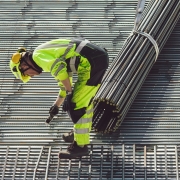
Raw Materials in Steel Toe Cap Safety Boots

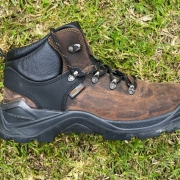
In the modern industrial landscape, safety footwear plays a crucial role in protecting workers from a variety of hazards. Among the different types of safety footwear, steel toe cap safety boots are renowned for their robust protection against heavy impacts and compression. These boots are engineered to meet stringent safety standards and are integral to maintaining workplace safety across numerous industries, including construction, manufacturing, and warehousing.

The manufacturing of steel toe cap safety boots involves a complex interplay of various raw materials, each contributing to the overall functionality, durability, and comfort of the footwear. This essay delves into the raw materials used in the production of these boots, exploring their properties, sources, processing methods, and their impact on the final product.

Understanding Steel Toe Cap Safety Boots

Definition and Purpose
Steel toe cap safety boots are designed to offer superior protection to the toes and feet. The steel toe cap is a reinforced component embedded within the boot’s toe area, which helps safeguard the wearer from falling objects, heavy impacts, and compression injuries. These boots are a staple in environments where foot safety is paramount due to the potential for significant hazards.

Types of Safety Boots
Safety boots can vary based on their intended use and the level of protection they offer. The most common types include:

  • Steel Toe Boots:: Featuring a steel cap for maximum protection.
  • Composite Toe Boots: : Made with non-metallic materials like Kevlar or carbon fiber.
  • Aluminum Toe Boots: Lighter alternative to steel, providing similar protection.
  • Metatarsal Boots:: Providing additional protection to the metatarsal bones. Each type has distinct advantages depending on the specific needs of the workplace.

Each type has distinct advantages depending on the specific needs of the workplace.


Key Raw Materials in Safety Boots

Steel
Composition and Types
Steel used in safety boots is typically carbon steel or alloy steel. Carbon steel is a blend of iron and carbon, with varying amounts of other elements like manganese. Alloy steel, on the other hand, includes additional elements such as chromium, nickel, and molybdenum, which enhance its strength and resistance to corrosion.
Properties and Benefits
Steel is chosen for its excellent impact resistance, high tensile strength, and durability. It can withstand significant forces and is resistant to deformation under stress. These properties are crucial for the protection offered by steel toe caps, making them a preferred choice for many safety footwear applications.
Manufacturing Process
The production of steel toe caps involves several stages:

  • Steel Production:: Steel is produced through processes such as the Basic Oxygen Steelmaking (BOS) or Electric Arc Furnace (EAF) methods.
  • Forging:: Premium safety boots often involve extensive handcrafting, which is labor-intensive and increases production costs.
  • Tempering:: The forged steel is tempered to enhance its toughness and reduce brittleness.

Leather
Types of Leather
The choice of leather in safety boots can vary, including:

  • Full-Grain Leather: The highest quality leather with natural grains, offering durability and breathability.
  • Top-Grain Leather: Sanded and refinished leather, slightly less durable but more pliable.
  • Split Leather:The lower layers of the hide, which are less expensive but also less durable.

Leather Processing
Leather processing involves tanning, which can be done using different methods:

  • Chrome Tanning: A faster process that uses chromium salts, resulting in leather that is more resistant to water and heat.
  • Vegetable Tanning:An older, more environmentally friendly method using plant-based tannins, which produces stiffer leather with a unique patina.

Rubber and Polyurethane (PU)
Rubber Types
Rubber soles in safety boots can be made from:

  • Natural Rubber:Derived from latex, offering good elasticity and durability.
  • Synthetic Rubber:Includes various types such as Styrene-Butadiene Rubber (SBR) and Nitrile Rubber, which are more resistant to oil and chemicals.

Polyurethane (PU)
PU is commonly used in the soles of safety boots due to its:

  • Lightweight:PU soles are lighter than rubber, reducing fatigue.
  • Cushioning:Provides excellent shock absorption and comfort.
  • Durability:Resistant to abrasion and wear.

Processing
The manufacturing of rubber and PU involves mixing raw materials, molding, and curing processes. Each type of material requires specific conditions to achieve the desired properties.

EVA (Ethylene Vinyl Acetate)
Properties and Benefits
EVA is known for its:

  • Lightweight Nature:Reduces overall boot weight.
  • Shock Absorption:Provides cushioning and comfort.
  • Flexibility:Enhances the boot’s overall comfort and ease of movement.

Applications in Safety Boots
EVA is used primarily in midsoles and insoles, offering support and enhancing the wearer’s comfort during extended use.

Textile Materials
Types of Textile Materials
Textiles used in safety boots include:

  • Nylon:Durable and resistant to abrasions.
  • Polyester:Lightweight and quick-drying.
  • Blends:Combining different fibers to enhance specific properties.

Applications
Textiles are used in linings, padding, and external fabrics. They contribute to the boot’s breathability, moisture-wicking, and overall comfort.


Additional Materials and Components

Fasteners and Laces
Materials Used
Fasteners and laces are made from:

  • Metal:Brass or stainless steel for durability.
  • Synthetic Materials:Nylon or polyester for laces, offering flexibility and strength.

Function and Durability
Fasteners and laces are crucial for ensuring the boot fits securely and comfortably. They must withstand significant stress and wear.

Insoles and Padding
Types Of Insoles
Insoles can be made from:

  • Foam:Provides cushioning and support.
  • Gel:Offers enhanced shock absorption.
  • Air-Cushioned:Incorporates air pockets for comfort.

Padding Materials
Padding materials include various foams and gels, designed to enhance comfort and reduce fatigue.

Outsoles
Material Choices
Outsoles are typically made from:

  • Rubber:Known for its durability and grip.
  • PU:Lightweight and cushioned.
  • Composite Materials:Combining various substances to optimize performance.

Features
Outsoles must provide traction, resistance to slipping, and durability under harsh conditions.


Environmental and Safety Standards

Industry Standards
Global Standards
Safety boots are subject to standards such as:

  • ASTM:American Society for Testing and Materials.
  • ISO:International Organization for Standardization.
  • EN:European Norms.

Compliance and Testing
Manufacturers must ensure their products meet these standards through rigorous testing for impact resistance, compression, and other safety features.
Environmental Impact
Sustainable Materials
The use of recycled and eco-friendly materials is becoming more prevalent. Sustainable practices in leather production and material sourcing are important for reducing the environmental footprint.
Waste Management
Efforts are being made to minimize waste through improved manufacturing processes and recycling programs.


Manufacturing Process

Design and Development
Initial Design Considerations
Designing safety boots involves:

  • Ergonomics:Ensuring comfort and support.
  • Safety Features:Incorporating necessary protection elements.

Prototype Testing
Prototypes are tested for durability, safety, and comfort. This involves various physical tests and user feedback.

Production Steps
Cutting and Shaping
Materials are cut and shaped using precision machinery to ensure accuracy and quality.
Assembly
The assembly process includes stitching, bonding, and integrating various components to create the final product.

Quality Control
Inspection Processes
Quality control involves inspecting each boot for defects and ensuring that it meets safety and performance standards.
Quality Assurance
Ongoing quality assurance measures are implemented to maintain product consistency and reliability.


Future Trends and Innovations

Technological Advancements
New Materials
Emerging materials such as advanced composites and bio-based polymers are being explored for their potential benefits.
Design Innovations
Innovations in design focus on improving comfort, safety, and functionality, including the integration of smart technology.

Sustainability Efforts
Green Manufacturing
Efforts to reduce the environmental impact of manufacturing include adopting green technologies and sustainable practices.
Consumer Trends
There is a growing demand for environmentally friendly and ethically produced safety boots.

Raw Materials For Steel Toe Cap Safety PPE Footwear
The raw materials used in the manufacture of steel toe cap safety boots are critical to their performance, durability, and safety. Understanding the properties and processing of each material provides insight into the complexity of producing footwear that meets high safety standards. As technology and consumer demands evolve, the industry continues to innovate, aiming to enhance both the functionality and environmental impact of safety boots.


For a chat about your work forces safety boot requirements please give us a call on +27 11 892 8030 / 8031 / 8032 or drop an email to organise a call info@profitfootwear.co.za

The Importance of Steel Toe Caps & Anti Slip Polyurethane Soles

Do Safety Boots Need Steel Toe Caps?

Steel toe caps and anti-slip polyurethane soles are two of the most important features in safety footwear. These features not only provide protection for the wearer but also offer additional safety benefits that are crucial in hazardous environments. In this blog post, we will explore the importance of steel toe caps and anti-slip polyurethane soles in safety footwear and why they are essential for industrial workers, construction workers, and anyone who works in potentially dangerous conditions.

Why Do I Need Steel Toe Caps?

Steel toe caps are a crucial element in safety footwear as they provide protection for the toes from heavy objects, sharp materials, and potential crushing accidents. The steel toe cap is designed to withstand impacts and pressure, preventing serious injuries such as fractures, cuts, and amputations. In high-risk environments such as construction sites, factories, and warehouses, steel toe caps are a necessity to protect workers from potential hazards.

In addition to protecting the toes, steel toe caps also provide stability and support for the feet, reducing the risk of slips, trips, and falls. The rigid structure of the steel toe cap helps to maintain the shape of the shoe and prevents it from collapsing under pressure, keeping the foot secure and stable. This is crucial for workers who are constantly on their feet and moving around in challenging conditions.

Do Safety Boots Need Anti-slip polyurethane Soles?

Anti-slip polyurethane soles are another important feature in safety footwear that enhances the overall safety and performance of the shoe. These soles are designed to provide maximum traction and grip on slippery surfaces, reducing the risk of accidents and injuries caused by slips and falls. The anti-slip properties of polyurethane soles are particularly beneficial in wet or oily environments where the ground may be slick and hazardous.

The durable and flexible nature of polyurethane soles also offers a comfortable and supportive fit for the wearer. These soles are lightweight and shock-absorbing, reducing strain on the feet and legs during long periods of standing or walking. This is especially important for workers who are required to be on their feet for extended periods of time, as it helps to prevent fatigue and discomfort.

Long Lasting Steel Toe Caps

In addition to their protective and safety benefits, steel toe caps and anti-slip polyurethane soles are also highly durable and long-lasting, making them a cost-effective investment for employers and workers alike. Safety footwear with these features is designed to withstand the rigors of daily wear and tear in harsh working conditions, providing reliable protection and performance over an extended period of time.

Overall, steel toe caps and anti-slip polyurethane soles are essential features in safety footwear that offer crucial protection and safety benefits for workers in hazardous environments. These features help to prevent serious injuries, enhance stability and support, provide maximum traction and grip, and offer long-lasting durability and comfort. By investing in safety footwear with steel toe caps and anti-slip polyurethane soles, employers can ensure the well-being and safety of their workers, while workers can perform their duties confidently and securely in challenging conditions.

For a chat about your work forces safety boot requirements please give us a call on +27 11 892 8030 / 8031 / 8032 or drop an email to organise a call info@profitfootwear.co.za.

Steel Toe Caps vs Composite Toe Caps

Why use composite toe caps?

For many industrial sector workers, wearing shoes or boots with toe caps on a daily basis is challenging. The two most commonly requested features are weight and comfort. Composite toe caps are lighter than steel and they are also more durable. Composite toe caps are made from a plethora of materials, and differ regarding the need of the specific designed boot. However, the most popular composite used materials are kevlar, fibreglass, plastic, and carbon fibre.

Composite toe caps are generally lighter because of their production process – nanotechnology creates thin layers of fibre that are then bonded together; creating a strong but thin cap. They also don’t get cold or hot – unlike steel. They are non-conductive. We find they are used extensively in the mining sector and for specialist technicians who travel regularly. This is because composite toe caps will not set off metal detectors at airports or security scanners on site.

Why use steel toe caps?

Steel toe caps are still the most used toe cap in the world. Recent studies indicate they are still used in 90% of the worlds global safety shoe and boot production. They remain the most popular option in today’s market for safety boots and shoes. With advances in design and materials, they are often not as heavy as they once were. They are a tried and tested option as well – having been used since the First World War. That’s over 100 years of testing!

There is an unfortunate myth surrounding steel toe capped boots. And that is that they are more likely to act like a guillotine if a heavy object lands on your foot – cutting off and crushing your toes. This is totally false. It was even proven false on the famous TV series “MythBusters” Season 3, Episode 23.

Steel toe caps are cheaper than their composite alternatives. Steel toe caps are as strong, and in many cases, actually stronger than composite toe caps. Many plastic toe caps have battled to pass compression tests, and also only pass a 100 joule test. Steel has been around for a very long time and passes the 200 joule requirements with ease. The old saying “If it ain’t broke – don’t fix it” fits well in this discussion of which route to go. Many people are still of the opinion that despite their relative benefits, steel toe caps still remain the industry leader.

Because of over 100 years of R&D, steel toe caps are also available in a wide variety of styles, sizes, shapes and widths! Composite toe caps are a more recent development to the safety footwear world, and being more expensive they are reserved for use in higher specification boots for specialist industries.

Pros & Cons of Steel Toe Caps

Pros

    – Cheaper in general than composite toe caps
    – As strong as composite, and sometimes stronger than.
    – A tried and tested method of foot protection
    – More styles, sizes, shapes and widths available with a steel toe cap

Cons

    – Heavier than composite
    – Will conduct heat and cold
    – Also will conduct electricity

Pros & Cons of Composite Toe Caps

    – Lightweight and durable
    – Don’t conduct electricity or heat and cold

Cons

    – Usually found in higher spec boots, meaning they are more expensive
    – Not as wide a variety of styles, sizes & shape

Conclusion

Steel and composite toe caps have all been subjected to and meet safety standard requirements. They are all fully compliant for use.

Where there are generally more benefits associated with composite toe caps, it has been proven that the widely held myth that they are safer than steel toe caps is false. This should have no impact on your choice. Overall, the composite toe cap offers the benefits of the steel toe cap plus a few extras like non conductivity and lighter weight. Steel toe cap boots are still as safe and often cheaper. Composite toe caps are definitely suited to more specific and specialist work environments.

toe protection

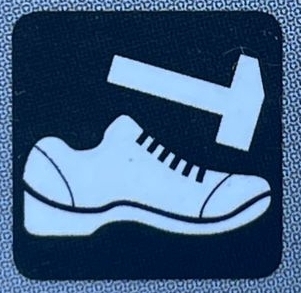
This icon means ProFit footwear offers toe protection

For a chat about your work forces safety footwear requirements please give us a call on +27 11 892 8030 / 8031 / 8032 or drop an email to organise a call info@profitfootwear.co.za.