
Steel Toe Caps vs Composite Toe Caps
Why use composite toe caps?
For many industrial sector workers, wearing shoes or boots with toe caps on a daily basis is challenging. The two most commonly requested features are weight and comfort. Composite toe caps are lighter than steel and they are also more durable. Composite toe caps are made from a plethora of materials, and differ regarding the need of the specific designed boot. However, the most popular composite used materials are kevlar, fibreglass, plastic, and carbon fibre.
Composite toe caps are generally lighter because of their production process – nanotechnology creates thin layers of fibre that are then bonded together; creating a strong but thin cap. They also don’t get cold or hot – unlike steel. They are non-conductive. We find they are used extensively in the mining sector and for specialist technicians who travel regularly. This is because composite toe caps will not set off metal detectors at airports or security scanners on site.
Why use steel toe caps?
Steel toe caps are still the most used toe cap in the world. Recent studies indicate they are still used in 90% of the worlds global safety shoe and boot production. They remain the most popular option in today’s market for safety boots and shoes. With advances in design and materials, they are often not as heavy as they once were. They are a tried and tested option as well – having been used since the First World War. That’s over 100 years of testing!
There is an unfortunate myth surrounding steel toe capped boots. And that is that they are more likely to act like a guillotine if a heavy object lands on your foot – cutting off and crushing your toes. This is totally false. It was even proven false on the famous TV series “MythBusters” Season 3, Episode 23.
Steel toe caps are cheaper than their composite alternatives. Steel toe caps are as strong, and in many cases, actually stronger than composite toe caps. Many plastic toe caps have battled to pass compression tests, and also only pass a 100 joule test. Steel has been around for a very long time and passes the 200 joule requirements with ease. The old saying “If it ain’t broke – don’t fix it” fits well in this discussion of which route to go. Many people are still of the opinion that despite their relative benefits, steel toe caps still remain the industry leader.
Because of over 100 years of R&D, steel toe caps are also available in a wide variety of styles, sizes, shapes and widths! Composite toe caps are a more recent development to the safety footwear world, and being more expensive they are reserved for use in higher specification boots for specialist industries.
Pros & Cons of Steel Toe Caps
Pros
- – Cheaper in general than composite toe caps
- – As strong as composite, and sometimes stronger than.
- – A tried and tested method of foot protection
- – More styles, sizes, shapes and widths available with a steel toe cap
Cons
- – Heavier than composite
- – Will conduct heat and cold
- – Also will conduct electricity
Pros & Cons of Composite Toe Caps
- – Lightweight and durable
- – Don’t conduct electricity or heat and cold
Cons
- – Usually found in higher spec boots, meaning they are more expensive
- – Not as wide a variety of styles, sizes & shape
Conclusion
Steel and composite toe caps have all been subjected to and meet safety standard requirements. They are all fully compliant for use.
Where there are generally more benefits associated with composite toe caps, it has been proven that the widely held myth that they are safer than steel toe caps is false. This should have no impact on your choice. Overall, the composite toe cap offers the benefits of the steel toe cap plus a few extras like non conductivity and lighter weight. Steel toe cap boots are still as safe and often cheaper. Composite toe caps are definitely suited to more specific and specialist work environments.
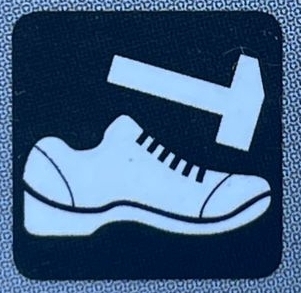
This icon means ProFit footwear offers toe protection
—
For a chat about your work forces safety footwear requirements please give us a call on +27 11 892 8030 / 8031 / 8032 or drop an email to organise a call info@profitfootwear.co.za.