
Providing PPE is Good Business Practice
Providing PPE for Employees is Good Business Practice in South Africa
Imagine heading into work each day, assured that your safety is being prioritized by your employer. This is the confidence that comes with a workplace committed to safety and providing proper Personal Protective Equipment (PPE). In South Africa, the necessity of PPE is not just about maintaining a safe work environment—it’s mandated by key laws, including the Occupational Health and Safety Act (OHSA) of 1993 and the Compensation for Occupational Injuries and Diseases Act (COIDA) of 1993. These laws were designed to protect employees and require companies to provide safety gear where workplace hazards exist. But there’s much more to it than meeting legal obligations. Supplying PPE makes good business sense, boosting morale, productivity, and the company’s reputation.
By offering essential items such as safety boots, gloves, and overalls, companies show employees that they are valued and protected. This kind of investment is not only a regulatory requirement but a powerful way to create a responsible and productive workplace.
1. Complying with Legal Requirements
In South Africa, the Occupational Health and Safety Act (OHSA) and the Compensation for Occupational Injuries and Diseases Act (COIDA) outline the obligations companies must meet to ensure worker safety. OHSA mandates that companies assess potential risks in the workplace and implement safety measures to prevent harm, including providing the appropriate PPE. Failure to adhere to these laws could expose a company to significant financial and legal risks, from fines to possible civil lawsuits if negligence is proven. COIDA, meanwhile, provides a structure for employee compensation in the event of work-related injuries. However, if an injury occurs because an employer neglected to provide PPE, the employer may lose their protection under COIDA, leaving them open to direct claims.
Understanding and adhering to these regulations isn’t only about avoiding penalties; it’s about fulfilling an ethical duty to keep employees safe. Providing PPE not only demonstrates compliance but also shows employees and clients that the company is committed to upholding workplace safety standards.
2. Reducing Costs Through PPE Policies
While the upfront expense of PPE might seem steep, it’s a cost-effective way to prevent more substantial expenses in the long run. When employees have access to safety gear like gloves, glasses, and protective boots, they’re much less likely to suffer injuries, reducing both the number and cost of injury-related compensation claims. Additionally, safe workplaces tend to experience lower turnover rates, as employees are more likely to remain with companies where they feel protected and valued. This can reduce recruitment and training costs associated with replacing injured or dissatisfied workers.
Moreover, PPE contributes to uninterrupted productivity. With fewer accidents, work progresses smoothly, deadlines are met, and employees remain focused. This creates a more profitable and efficient work environment, proving that PPE is more of a long-term investment than an expense.
3. Fostering a Positive Workplace Culture
Supplying PPE (such as safety boots and PPE glasses) can play a crucial role in shaping workplace culture. When employees know their safety is prioritized, they’re more likely to feel valued, respected, and motivated to give their best effort. The provision of PPE sends a clear message that management genuinely cares about its employees’ well-being. This simple step helps build trust and loyalty, making workers feel that they’re part of a supportive and responsible team.
In turn, a positive workplace culture enhances morale, productivity, and cooperation. When employees are happy and engaged, they’re more inclined to contribute actively to the company’s goals, leading to a more cohesive work environment and better overall performance.
4. Essential PPE Items for a Safer Workplace
While every workplace is unique, several core PPE items are generally essential in most environments:
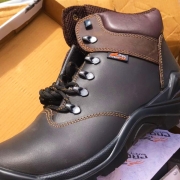
• Safety Boots: Vital for protecting against sharp objects, heavy tools, and slippery surfaces.
• Safety Socks: Often used with safety boots, these provide added protection and comfort, helping prevent blisters or cuts.
• Safety Glasses: Protects eyes from flying debris, dust, or chemicals.
• Gloves: Available in various materials, gloves protect hands from cuts, chemicals, and other hazards.
• Overalls: Providing full-body coverage, overalls shield against environmental hazards, abrasions, and contaminants.
Providing these items as standard can dramatically improve safety and reduce the risk of accidents.
5. Building a Reputation for Responsibility
In today’s world, reputation matters. Companies that actively work to protect their employees’ safety often see benefits beyond the workplace. By consistently supplying PPE and promoting a safety-first approach, businesses strengthen their public image, making them more attractive to customers, investors, and potential hires. This is particularly important for companies operating in competitive markets, where public perception can significantly impact success.
Moreover, a strong safety record boosts the company’s standing within the industry and contributes to Corporate Social Responsibility (CSR) goals. A commitment to employee safety highlights the business as an ethical, trustworthy, and sustainable operation, providing value to society beyond just profits.
Key Takeaways
Offering employees basic PPE is a powerful way for businesses to demonstrate commitment to safety, adhere to legal standards, and reduce the likelihood of costly workplace injuries. By ensuring that all employees have access to essential items like boots, gloves, and safety glasses, companies protect both their workforce and their bottom line. Prioritizing safety fosters a positive workplace culture and enhances a company’s reputation, leading to long-term growth and sustainability.
Final Thoughts
For South African businesses, providing PPE is more than a legal responsibility; it’s an investment in the well-being of their workforce and a cornerstone of sound business practice. When companies prioritize safety, they build trust, encourage productivity, and position themselves as leaders in responsible corporate conduct.
What Is the Occupational Health and Safety Act (OHSA)?
The Occupational Health and Safety Act (OHSA) of 1993 is South Africa’s primary legislation governing workplace safety, aiming to protect employees from hazards in their work environments. Enacted to ensure that employers and employees take responsibility for health and safety, the OHSA mandates risk assessments, hazard management, and the implementation of safe work practices across industries. Employers are legally required to provide a safe workspace, adequate training, and necessary protective equipment. Additionally, employees must follow safety protocols and report unsafe conditions. By promoting a proactive safety culture, the OHSA helps prevent accidents and injuries, creating a safer, more productive workforce.
What Is the Compensation for Occupational Injuries and Diseases Act (COIDA)?
The Compensation for Occupational Injuries and Diseases Act (COIDA) of 1993 is South Africa’s framework for compensating employees who suffer workplace injuries or occupational diseases. Under COIDA, employers must register with the Compensation Fund and contribute payments, enabling workers to claim compensation if they’re injured or contract a disease due to their job. This Act removes the employee’s right to sue the employer in civil court for work-related injuries, providing financial support and medical benefits through the Compensation Fund instead. COIDA ensures prompt coverage for medical treatment, lost wages, and, if necessary, disability benefits or dependents’ support. By protecting both employees and employers, COIDA fosters safer workplaces while offering employees vital support in the event of injury or illness.
________________________________________
For a chat about your work forces safety boot requirements please give us a call on +27 11 892 8030 / 8031 / 8032 or drop an email to organise a call info@profitfootwear.co.za