Choosing the right safety boot for the job
Buying “a safety boot” is easy. Buying the right safety boot for the hazards, surfaces, and pace of a specific industry is where comfort, compliance, and long-term cost start to matter.
ProFit makes this simpler by doing two useful things:
- They design different styles for different work environments (not one boot pretending to do everything).
- They publish clear product specifications and industry groupings (so you can match features to hazards).
Below is a practical “industry-to-boot” guide using ProFit’s ranges and specs, with a focus on why each style fits the environment.
1) Engineering: workshops, maintenance bays, plant rooms, and “always on your feet”
What engineers typically need
Engineering teams move between benches, concrete floors, steel grating, mezzanines, and maintenance areas where sharp off-cuts can show up without warning. The hazards tend to be:
- Impact (dropped tools/components)
- Abrasion (constant contact with edges and rough surfaces)
- Slip risk (oily patches, coolant, dust)
- Fatigue (long hours on hard floors)
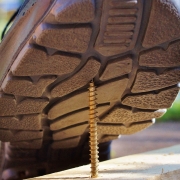
- Often puncture risk, depending on the facility (metal shards, screws, swarf)
ProFit’s own factory guidance sums it up well: in engineering environments, abrasion resistance is critical, and penetration-resistant midsoles can be a major advantage.
ProFit-style picks for engineering
A. “Daily driver” lace-up shoe/boot (comfort + protection + agility)
- All Wheel Drive: built around an abrasion-resistant, water-repellent leather upper and a lightweight, slip/abrasion resistant sole—great for fast-moving engineering roles where you’re in and out of different areas.
- Hobo Shoe: a lightweight option with an extended PU toe bump cap and an oil/acid/petrol/diesel resistant sole—useful when you’ve got mixed indoor/outdoor movement and occasional slick surfaces.
B. When you want a “workshop boot” that’s easy on/off
If your engineers are constantly stepping in/out of offices, stores, and shop floors, a Chelsea can be a big productivity win. ProFit’s Assassin is a slip-on style with an extended PU toe bump cap, sports mesh cushioned lining, and an oil/acid/petrol/diesel resistant sole.
Engineering takeaway: go with a lace-up (or supportive high-top) when ankle stability and movement control matter; go with a Chelsea when quick transitions and convenience matter—but still keep oil resistance and slip performance front of mind.
2) Construction: impact, rubble, uneven ground, and relentless abrasion
What construction really demands
Construction is “high variability” work: gravel, sand, concrete, rebar, ladders, scaffolding, and surprise hazards every day. A true construction boot needs:
- Serious abrasion resistance (upper + outsole)
- Reliable traction across mixed terrain
- Toe protection plus scuff resistance
- Often heat and chemical resistance, depending on site tasks
ProFit’s construction category includes heavier-duty options like Tarantula, Diablo (Boot), and Flame, which signals the intended use-case straight away.
ProFit-style picks for construction
A. Heavy-duty lace-up hikers for site work
- Tarantula (Black/Tan/Honeycomb variants in the range) is positioned for heavy duty/heat/construction/engineering and is widely fitted.
If your teams are on rubble or uneven ground all day, a hiker-style build helps with stability and reduces fatigue.
B. Electrical or high-risk environments
- Flame is clearly positioned as a specialist: it’s specified for arc flash/Eskom spec use (20KV electrical resistance for 1 minute) and for seriously heavy-duty environments including construction and engineering.
If you’ve got contractors around electrical rooms, substations, or higher electrical risk, this is the kind of “buy once, cry never” decision.
Construction takeaway: choose heavier-duty hikers for the main site workforce; upgrade to specialist electrical-rated options where the risk profile demands it.
3) Agriculture: long days, seasonal labour spikes, and practical on/off convenience
The agricultural reality
Agriculture includes everything from pack houses to farming, fruit picking, and seasonal operations. The boot requirements swing between:
- Ease of use (fast on/off, minimal fuss)
- Durability at value for seasonal labour
- Grip on wet ground, concrete packhouse floors, and farm terrain
ProFit’s agriculture guidance is refreshingly direct: they highlight lace-free slip-on Chelsea styles for easy use, and they also mention durable econo (entry-level) styles for seasonal periods.
ProFit-style picks for agriculture
A. Chelsea slip-ons for fast-moving farm and packhouse work
- Sun: a slip-on Chelsea boot design with features like an SRC slip resistant sole, heat resistance to 90°C, and an oil/acid/petrol/diesel resistant sole—useful when surfaces vary and you want predictable grip.
- Assassin: similar “pull on and go” logic, plus the toe bump cap and cushioned lining.
B. Seasonal teams and budget control
- Econo Chelsea Boot (Black/Brown) is specified to ISO 20345:2023 and noted as very wide fitting—handy when you need quick, comfortable fitting across a broad workforce.
Agriculture takeaway: if you’re fitting seasonal labour, econo styles help you control cost without abandoning compliance; for permanent staff, invest in comfort + slip performance because those long days don’t negotiate.
4) Oil & Gas: hydrocarbons, sparks, heat, and “the floor is never truly clean”
What Oil & Gas punishes
Oil & gas environments punish footwear with exposure to fuels, oils, chemicals, and heat. ProFit’s Oil & Gas page explicitly calls out the need for heat resistance and soles that resist oil, petrol, chemical, acid and diesel.
Add the usual realities:
- Slip risk on contaminated surfaces
- Static control (depending on environment and procedures)
- Metatarsal/instep protection in certain roles
ProFit-style picks for Oil & Gas
A. Specialist electrical / heavy-duty option
- Flame again stands out: it’s positioned for heavy-duty electrical use and specifically lists Oil & Gas among its applications.
B. Heat + extra top-of-foot protection
- Terrapin: a Chelsea design with an integrated metatarsal protector and outsole heat resistance to 300°C, aimed at higher-heat and “spark/spatter” style hazards.
Even if you’re not welding full time, this kind of top-of-foot shielding can be extremely valuable in certain plant roles.
C. Practical slip-ons with oil resistance
- Sun (heat resistant to 90°C, oil/acid/petrol/diesel resistant sole) is a very practical “workhorse” choice where you want fast donning and consistent traction.
Oil & Gas takeaway: if the environment includes high heat, sparks/spatter, or elevated electrical risk, step up to specialist styles. For general operations, keep the focus on hydrocarbon resistance + slip control.
5) Food & Beverage: hygiene, wet floors, and comfort that lasts a shift
What food & beverage staff need
Food & beverage is often misunderstood: it’s not “light duty.” It’s repetitive movement on hard floors, frequent wet areas, and strict hygiene expectations.
ProFit’s Food & Beverage page notes their footwear is already used across SA breweries, wine farms, and soft drink/fruit drink manufacturing environments.
ProFit-style picks for Food & Beverage
A. Lightweight, slip-on shoes for wet-floor environments
- Silk is explicitly positioned for multipurpose/hospitality/food & beverage usage and is ladies specific fitting.
- Sun also fits well here thanks to its slip resistance and easy slip-on design.
B. Why slip-ons often win here
- Faster hygiene routines (less lacing contamination)
- Easier on/off for changing areas
- Reduced snag risk around equipment
Food & Beverage takeaway: choose lighter, easy-clean slip-on styles with strong slip performance; you’ll reduce fatigue and improve compliance simply because people actually wear them correctly all day.
6) Timber industry: sawdust, nails, rough terrain, and high snag potential
What timber work needs
Timber and forestry-adjacent work mixes outdoor terrain with workshop hazards:
- Puncture risk (nails, splinters, sharp debris)
- Abrasion (constant scuffing)
- Slip (sawdust + wet conditions = chaos)
- Quick transitions between yard and workshop
ProFit’s artisan/carpentry positioning speaks directly to this world: footwear needs to be comfortable, practical, and suitable for specialised craft like carpentry and skilled metal work.
ProFit-style picks for timber environments
A. Hiker-style for stability and rough surfaces
- Tarantula for heavy-duty environments where you want robust materials and site-ready traction.
B. Slip-on Chelsea for yard/workshop movement
- Assassin for quick on/off and oil-resistant sole properties (useful when equipment fuels and oils are around).
Timber takeaway: if the job is “all day, all terrain,” go hiker. If the job is “in/out of workshop and yard,” a tough Chelsea can be the sweet spot—just don’t compromise on traction and toe protection.
7) Manufacturing: repeatable hazards, long shifts, and “comfort is PPE”
The manufacturing profile
Manufacturing is often a mix of:
- Concrete floors (fatigue)
- Regular exposure to small sharp debris
- Occasional oils/chemicals depending on the plant
- Continuous movement and standing time
ProFit’s factory guidance again highlights abrasion resistance and the value of penetration-resistant midsole options in environments where sharp objects are present.
ProFit-style picks for manufacturing
A. Value + durability for large workforces
- Parson is specified to ISO 20345:2023 and is positioned for construction/engineering/agriculture/warehousing—exactly the sort of cross-functional use-case you see in manufacturing sites.
- Hobo Shoe is another practical, lightweight option with oil/acid/petrol/diesel resistance and toe bump protection.
B. “Comfort-first” high-top option for long shifts
- Direct Shift Gearbox is described as the high-top version of one of their most comfortable safety shoes—great when you need a little extra support for long days.
Manufacturing takeaway: if you want better compliance and fewer complaints, prioritise comfort and fit as much as the hazard ratings—because discomfort is the #1 reason boots get unlaced, swapped out, or “forgotten” in lockers.
Final checklist: match features to hazards (not to opinions)
When you’re choosing across these industries, keep the decision simple:
- Slip risk high? Prioritise slip resistance and sole design (food & beverage, oil & gas, some engineering areas).
- Heat / sparks / spatter? Look at heat-rated outsoles and added protection (construction, oil & gas, specialist roles).
- Long shifts on concrete? Comfort and lightweight construction become a safety issue (manufacturing, engineering).
- Seasonal workforce? Econo, wide-fitting, compliant styles reduce cost and fitting friction (agriculture).
Talk to our team now to discuss your safety footwear needs – and we can find you the perfect safety boot for the your job! Call us on +27 11 892 8030 / 8031 / 8032 or drop an email to organise a call info@profitfootwear.co.za